Fully Threaded vs Partially Threaded Hex Bolts: A Buyer's Selection Checklist

Daniel
With experience in fastener manufacturing and export sales, we specialize in bolts, nuts, screws, self-drilling screws, fully threaded rods, and customized fastening solutions for construction, machinery, automotive, and industrial applications.
To choose betweenfully threadedandpartially threadedhex bolts, first check the approved connection requirements: bolt size, thickness of assembled parts, position of threaded portion, and required thread engagement. The matching diameter, total length, and strength grade are not sufficient to approve alternatives.
For importers, distributors, and OEM procurement teams, the actual issue is not which type of bolt is generally better. It refers to which configuration matches the drawing, is suitable for the component, and can be provided according to clearly defined specifications.
What is the difference between fully threaded and partially threaded bolts?
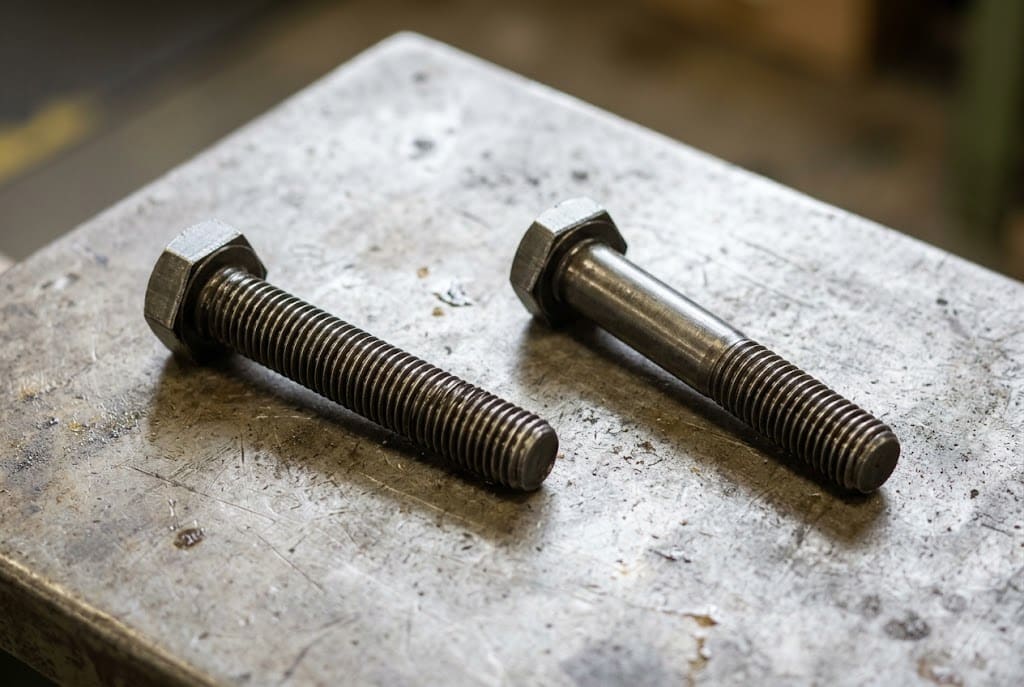
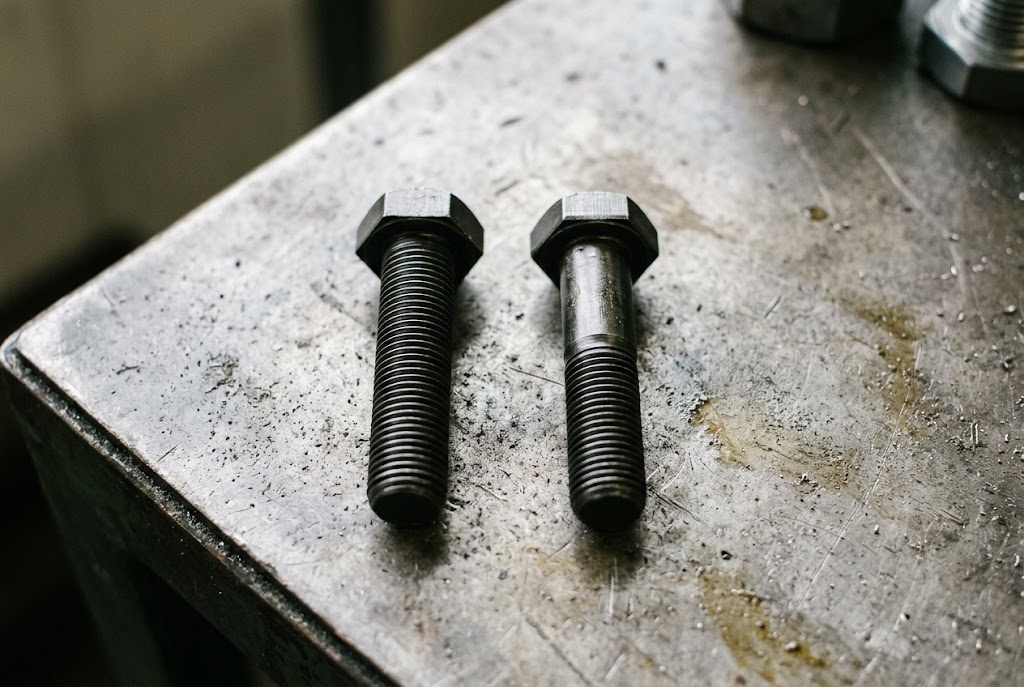
The thread of a fully threaded hexagonal bolt runs along the entire length of its shaft. The partially threaded hexagonal bolt has a regular unthreaded portion below the head and a threaded portion at the end. Half threaded bolts "are sometimes informally used, but this does not mean that half of the bolt length is threaded.
The exact thread length, transition near the head, and other dimensions depend on the specified product standards and dimensions, or controlled drawings. Do not infer them solely from product names.
| Item to compare | Fully threaded hex bolt | Partially threaded hex bolt |
|---|---|---|
| Basic configuration | Threads extend along substantially the full shank | A plain shank section is followed by a threaded section |
| Main dimensional check | Confirm the required threaded length and usable engagement | Confirm both the threaded length and the plain-shank length |
| Assembly question | Does this configuration meet the drawing and mating-thread requirements? | Where will the plain section and thread transition sit in the assembled joint? |
| Purchasing description | Specify the standard, dimensions and full-thread requirement | Specify the standard, dimensions and required thread length; identify any drawing-controlled plain section |
| Substitution | Not automatically interchangeable with a partial-thread bolt | Not automatically interchangeable with a full-thread bolt |
JJ Fastener Factory lists full-threadhex boltsandpartially threaded hex boltsas separate products. Use these pages to identify the product type, then confirm the exact specification for your order.
Check components before selecting thread configuration
1. Start with the required standards or drawings
In procurement terminology, fully threaded metric hexagonal products are typically described using DIN 933 or ISO 4017 references, while partially threaded products are typically described using DIN 931 or ISO 4014 references. These labels help identify product lines; they do not mean that different standards can be treated as identical in every dimension or requirement.
Specify the required standards and versions, or drawing numbers and revisions. If the supplier proposes different references, confirm and review the differences before placing an order.
For existing components, use approved specifications instead of general descriptions such as photos or "M-size hex bolts". If the original requirement is unavailable, confirm the gap before accepting the replacement.
2. Check the bolt length against the complete components
For traditional hex bolts, the specified length is usually measured from below the bolt head to the end of the bolt. Confirm the applicable measurement conventions based on standards or drawings.
List the parts between the bearing surfaces, including specified washers or gaskets. Their assembly thickness helps determine the position of the unthreaded shank, thread transition, and threaded portion of the bolt.
Use partially threaded bolts to check whether the mating nut can reach its expected position without being obstructed by the unthreaded shank or thread transitions. Regardless of the configuration, the required joints and clearances must be verified. A bolt that appears long enough may still have an incorrect distribution of threaded and unthreaded lengths.
For bolts entering threaded holes, provide the available hole depth and required engagement. Check whether the component can be tightened without the bolt bottoming out in the hole. Do not select bolts solely by comparing their length and visible thickness.
3. Do not use thread configuration as a strength grade
Full thread and partial thread describe geometric shapes, not complete mechanical specifications. Materials, mechanical properties, dimensions, joint design, and installation requirements must also be considered.
If the design specifies the use of plain shanks through specific connecting components or across load transfer planes, this requirement should be retained. If replacing bolts, have the responsible engineer review the proposed geometry and load conditions.
Do not approve only because some threaded bolts are described as "stronger", nor do you approve full threaded bolts because they provide longer thread lengths. Neither of these descriptions confirms the applicability of the connection.
4. Confirm the matching components and delivery conditions
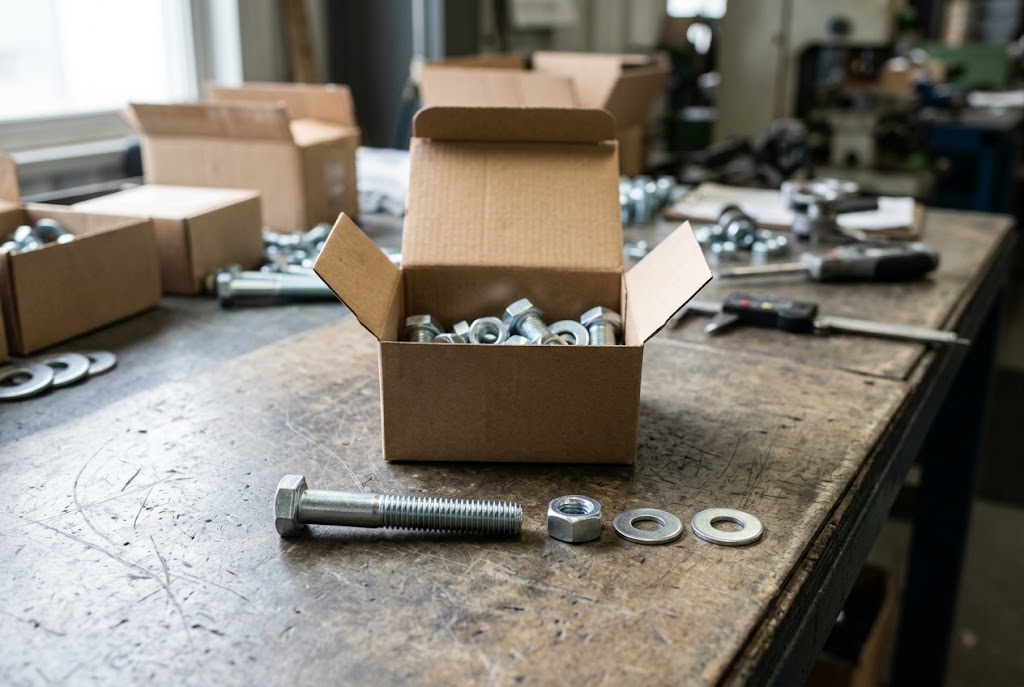
Check the thread system, diameter, pitch, and specified tolerances of bolts andnutstogether. Please specify the required nut and washer specifications, rather than requesting unspecified 'matching accessories'
It is also necessary to determine the required surface treatment and related installation or acceptance requirements. The thread configuration itself cannot establish corrosion resistance, locking performance, or compatibility with specific tightening procedures.
If the quotation includes bolt, nut, and washer kits, please review all components according to the same approved assembly requirements.
Can you use fully threaded bolts instead of partially threaded bolts?
It's not automatic. Even if the nominal diameter, length, and specified grade match, replacement will change the position of the threads and common parts.
Before approving any alternative direction, please check:
Designated standards, versions, and drawing revisions.
Thread system, diameter, pitch, and tolerance.
Head length, thread length, and any required flat handle size.
The position of thread transition in assembly parts.
Nut position, required engagement, hole depth, and installation clearance (if applicable).
Materials, mechanical requirements, surface treatment, and mating components.
For structural or other safety critical connections, please follow project specifications and approval processes. Suppliers' alternative solutions should be recorded as proposed deviations, rather than silently replacing them on the purchase order.
If the suggested bolts are not suitable, do not solve the problem by adding washers or modifying fasteners without approval.
What should be included in the bulk hexagonal bolt inquiry form?
Use a query row for each different specification. If the thread length is controlled by the drawing rather than the selected standard, please specify this requirement.
| RFQ field | Information to provide |
|---|---|
| Product identification | Fully threaded or partially threaded hex bolt; part number where used |
| Governing document | Required standard and edition, or drawing number and revision |
| Thread | System, nominal diameter, pitch and specified tolerances |
| Length and geometry | Under-head length, required threaded length and any controlled plain-shank or transition dimensions |
| Assembly details | Connected-part thickness, specified washers/spacers, mating nut or tapped-hole details where needed |
| Material and mechanical requirements | Material designation and required property class or grade, stated separately |
| Finish | Surface treatment specification and applicable acceptance requirements |
| Mating parts | Nut and washer specifications, quantities and whether they are quoted separately or as sets |
| Quantity and packing | Quantity per item, packing units and required identification |
| Inspection and delivery | Agreed checks and records, destination and requested delivery milestone |
Mark unresolved fields as problems instead of making different assumptions for each supplier. Require suppliers to determine deviations, additional costs, and exclusions in writing.
When comparing quotes, please check the provided thread configuration and dimensions before comparing unit prices. Different thread lengths, surface treatments, mating parts, or inspection ranges may mean that the quotation is not applicable to the same requirements.
Fordrawing control requirements, existing drawings and inquiry lists provide a broader query structure. Its drawing control method is very useful here; The discussion of its stainless steel material should not be regarded as a specification for every hexagonal bolt.

---
Send the required bolt type, standard or drawing version, diameter, pitch, length, and quantity for each project toJJ Fastener Factory. Including thread length requirements, mating components, and related assembly details. If the issue of selecting between full threads and partial threads has not been resolved, please identify the problem and request clarification before finalizing the order.
Discuss your hexagonal bolt requirements.
Confirm the proposed supply specifications, availability, inspection scope, pricing, and delivery conditions for the actual order.Technical substitution requires approval through your engineering and procurement processes.